

A 7-module journey into Sri Lanka's living ecosystems. Learn to read a place through land, water, flora, fauna, human touch, conservation and self.
This experience guides you through a profound journey of seeing, sensing, and understanding nature through ecological science, mindfulness, and embodied presence. You will learn to read a chosen place through seven powerful lenses land, water, flora, fauna, human influence, conservation, and self. At its heart lies a simple truth: we are the environment, and the environment is us. By understanding nature, you understand your rhythms, your boundaries, your belongings, and your responsibility to the greater whole.

Sri Lanka is not just an island; it is one of the most biologically extraordinary places on Earth. Despite spanning only 65,610 km², the island holds a density of life typically found across entire continents. It forms part of the Western Ghats & Sri Lanka Biodiversity Hotspot, one of only 36 critical hotspots worldwide. To earn this designation, a region must contain at least 1,500 endemic vascular plant species and must have lost over 70% of its original natural habitat. Sri Lanka exceeds both requirements, making it home to species and ecosystems found nowhere else on the planet, while also placing it among the world’s most threatened natural treasures. This unique ecological richness turns Sri Lanka into a living classroom, inviting people to learn through direct encounters with rainforests, wetlands, mountains, and endemic wildlife that exist in no other land.
Sri Lanka’s defining ecological hallmark is endemism, with species evolving exclusively on the island itself.
Nowhere else offers such dramatic ecological variation over such short distances.

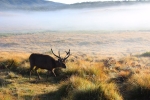


Although Sri Lanka was once connected to the Indian subcontinent, long epochs of separation caused by rising sea levels created profound ecological isolation. This geographic divide enabled allopatric speciation, allowing island populations to gradually diverge from their mainland relatives and form entirely distinct evolutionary lineages. As a result, Sri Lanka now harbours life forms found nowhere else on Earth unique species that did not re-evolve even in neighbouring India.
Sri Lanka’s central mountain massif divides the island into four distinct climatic regions the Wet Zone, Dry Zone, Intermediate Zone, and Montane Zone. These highland formations function as natural “sky islands,” creating isolated ecological pockets where species evolve independently, even within the boundaries of the same island. As a result, the island’s cloud forests, perched above 1,800 meters, harbor an extraordinary array of flora and fauna found nowhere else on Earth.
Sri Lanka is one of the rare places on Earth where you can witness the world’s largest land mammal, the majestic Sri Lankan elephant, and the world’s largest marine mammal, the blue whale, within the very same day. Nowhere else do two giants from two completely different realms coexist so closely on a single island. This remarkable phenomenon captures the essence of Sri Lanka’s biodiversity profound, powerful, and truly unmatched.
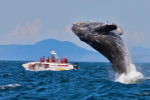
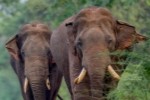
Sri Lanka’s most ancient, endemic, and uniquely evolved ecosystems revealed here
The crown jewel of Sri Lanka’s biodiversity is the Sinharaja Forest Reserve, a UNESCO World Heritage Site renowned for its exceptional ecological value. As the island’s last remaining expanse of primary rainforest and a living remnant of the ancient Gondwanaland supercontinent, Sinharaja represents one of the rarest natural ecosystems on Earth. Its dense, undisturbed canopy shelters the majority of Sri Lanka’s endemic flora particularly the towering Dipterocarpus trees as well as an extraordinary array of unique fauna found nowhere else.
The peak wilderness landscapes of Horton Plains National Park and the Knuckles Conservation Forest, both UNESCO World Heritage Sites represent some of Sri Lanka’s most ancient and irreplaceable ecosystems. Situated above 1,500 meters, these high-elevation plateaus are perpetually cloaked in mist and cooled by mountain winds, creating naturally isolated, stunted forest habitats that function like evolutionary islands within the island itself. This unique climate has given rise to remarkable endemics, including the elusive Horton Plains Slender Loris, found nowhere else on Earth.
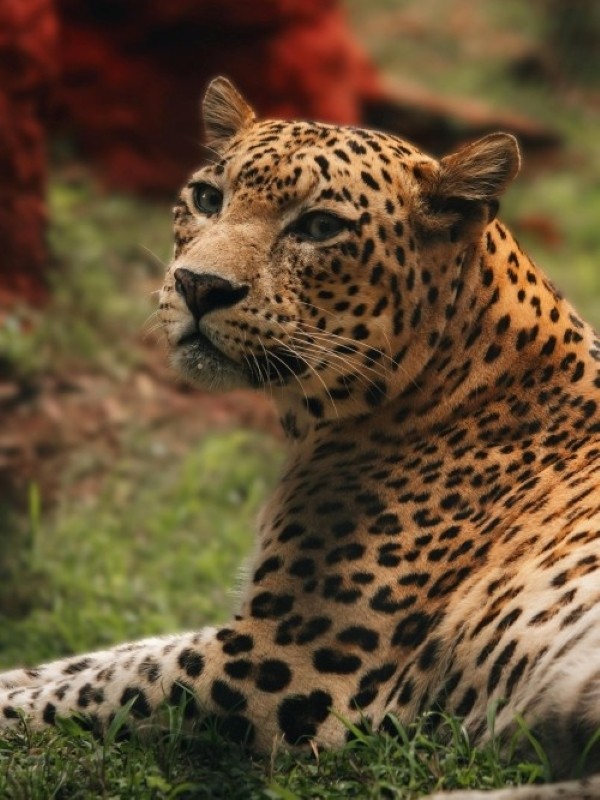
The dry-zone oases of the Villu complexes in Wilpattu National Park recognized as a Ramsar Wetland form one of Sri Lanka’s most distinctive and ancient ecological systems. These shallow, sand-rimmed natural lakes, sustained solely by seasonal rainwater, create a rare hydrological landscape found only on the island. Their unique structure and strategic placement within the dry zone make them the primary water source for iconic mega-fauna such as Leopards and Elephants, underscoring their irreplaceable role in Sri Lanka’s ecological balance.
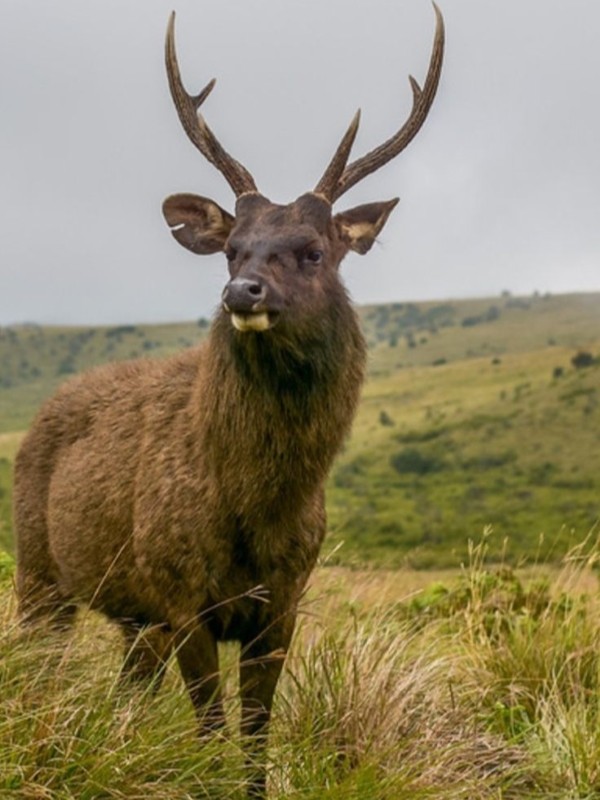
Sri Lanka’s highland savannahs scattered across elevated landscapes such as Horton Plains and parts of the Knuckles Range from a rare mosaic of high-altitude grasslands embedded within montane forests. Unlike many grasslands shaped by human activity, these Wet Pattana’s are ancient, naturally occurring ecosystems that have evolved under cool, windswept conditions. Their unique climate supports exceptionally rare endemics specially adapted to these open, elevated terrains, making them vital habitats for specialized bird and mammal species found only in Sri Lanka.
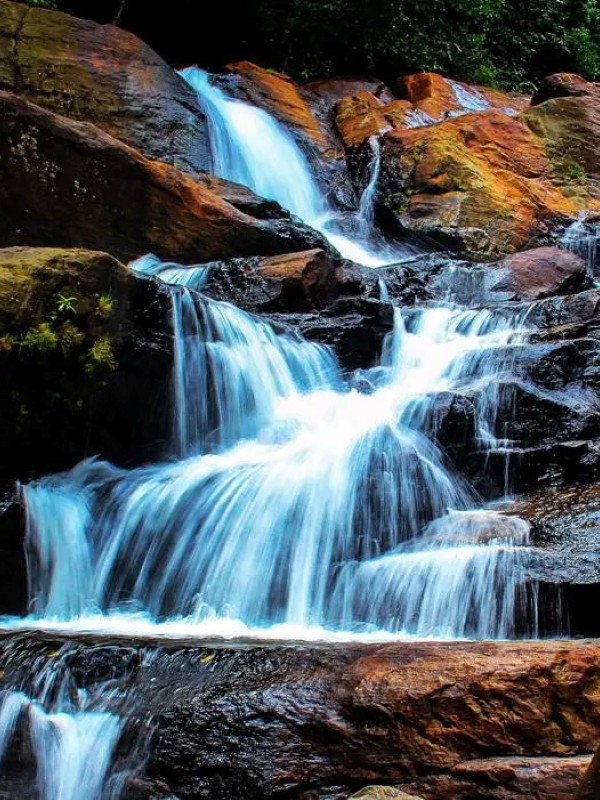
Sri Lanka’s wet zone forms an extraordinary aquatic hotspot, defined by a dense network of perennial rivers, seasonal streams, and marshlands that weave through the landscape like ancient lifelines. This intricate freshwater system is the primary driver behind the island’s remarkable 100% endemism in freshwater crabs and its exceptionally high endemism among freshwater fish and amphibians. These waterways some millions of years old have acted as evolutionary arteries, creating isolated microhabitats that fuel continuous aquatic speciation and sustain one of the world’s most unique freshwater biodiversity assemblages.
Explore how forests, dryness, altitude, and soil shape the character of a place. You will discover how each ecosystem influences mood, wellbeing, and sensory experience.
Immerse yourself in the diverse aquatic landscapes of Sri Lanka from flowing rivers and tranquil lakes to vibrant marshes, dense mangroves, and seasonal wetlands that teem with unique life.
Explore the plant world and uncover lessons in growth, patience, and resilience, witnessing how every leaf, stem, and root reflects the remarkable ability of nature to adapt, endure, and thrive.


Animals reveal profound lessons in awareness, movement intelligence, and sensory presence, showing us how to navigate the world with instinctive clarity, attunement, and a deeper connection to every moment around us.


Discover how agriculture, home gardens, settlement patterns, invasive species, and tourism continually reshape ecosystems, influencing biodiversity, altering natural processes, and transforming the balance between human needs and the environment.
Understand the delicate fragility of nature and recognize your vital role in safeguarding it, cultivating awareness, responsibility, and meaningful action to protect the ecosystems that sustain life on our planet.
The final module brings every concept together, helping you connect patterns, deepen understanding, and apply your knowledge to see ecosystems as an interconnected whole shaped by countless natural and human influences
This window is a commercial + educational platform where trained local guides, eco-hosts, village naturalists, forest trackers, wetland fishermen, birders, and community groups can sell their unique ecosystem experiences through our program.
Begin your journey to wellness with Ayu Ceylon. Discover healing through personalized Sri Lankan Ayurveda treatments from detox and relaxation to complete rejuvenation. Let us guide your rhythm.
Real voices, real stories. Hear how AyuCare Ceylon has transformed lives through authentic care, healing, and personalized Ayurvedic wellness experiences that leave a lasting impact.

Switzerland
At first, I was doubtful. I didn’t think a week could bring much change. But after 7 days at Ayu Ceylon, my mind is noticeably calmer, my sleep deeper, and my digestion—something I’ve struggled with for years—is now better than ever. I feel real transformation.

United Kingdom
The sense of calm and grounding I felt after the traditional oil therapies was profound. What surprised me most is how that peace stayed with me for months, even in the midst of daily stress. It was more than a treatment it was a reset

Japan
This isn’t just Ayurveda; it’s healing that comes from the heart. Every person at AyuCare Ceylon genuinely cares, and that love and warmth infuses every part of the experience. I’ve never felt more seen, held, and healed.

Italy







I arrived utterly drained, both mentally and physically—but I left with a glow I hadn't felt in years. Every massage wasn't just a treatment, it was a sacred ritual that touched my soul and soothed every inch of my body.